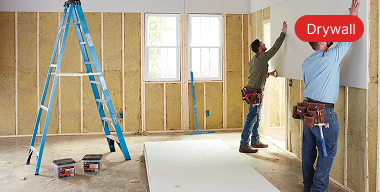
Drywall damage—like holes, cracks, or water stains—is a common problem in homes. Deciding whether to fix it yourself or hire a professional depends on the extent of the damage, your skill level, and the tools available.
DIY Drywall Repair
Small holes, minor cracks, or dents can often be repaired with basic tools and materials. DIY repair typically involves:
Cleaning the damaged area
Applying spackle or joint compound
Sanding the surface smooth
Priming and painting
DIY repairs are cost-effective and suitable for minor damage, but they require patience and a careful approach to achieve a smooth, seamless finish.
Professional Drywall Repair
For larger holes, extensive cracks, water damage, or textured walls, professional services are recommended. Experts offer:
Accurate assessment of underlying issues
High-quality patching and finishing
Seamless blending with existing walls
Time-efficient and durable results
Key Considerations:
Size of Damage: Small cosmetic issues can be DIY; structural or extensive damage needs professionals.
Skill Level: Smooth, paint-ready repairs require practice; professionals ensure a flawless finish.
Time and Tools: DIY can be time-consuming and may require specialized tools; professionals handle everything efficiently.
Conclusion
Choosing between DIY and professional drywall repair depends on the scope of the damage and your comfort level. For minor repairs, DIY works well, but for large or complex issues, professional services ensure lasting, high-quality results and save you potential headaches.